
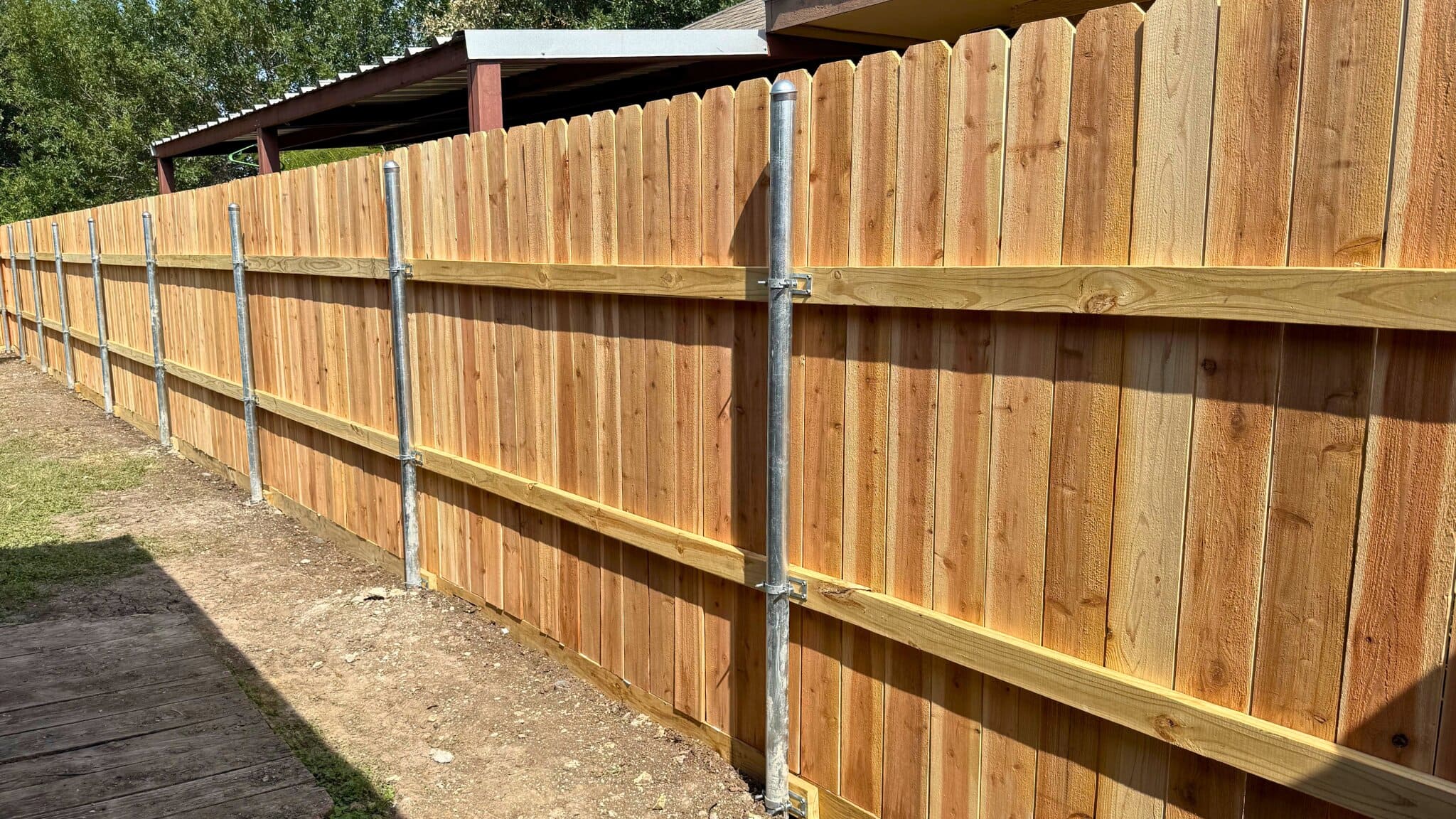
Most homeowners call a fence contractor after something has already gone wrong. A post is leaning at a hard angle, a section blew down overnight, or a driver clipped the corner of the fence backing out of a neighbor’s driveway. Whatever the trigger, the process that follows is rarely what people expect, and the surprises are almost always in the details. Knowing what actually happens, from the first phone call to the final walkthrough, saves time, prevents misunderstandings, and helps you get better work at a fairer price.
What Happens Before Anyone Picks Up a Tool
The first visit is an assessment, not a sales call. A contractor walks the fence line, probes posts to check for rot at ground level, looks at how the rails are attached, and tries to understand whether the damage is isolated or part of a larger structural problem. This distinction matters more than most customers realize. A fence that looks like it needs two new boards might actually have posts that have shifted in the soil, which changes the scope of work entirely.
Austin Fence Pros consistently points out that customers in Georgian Acres often underestimate how much the local clay soil affects post stability over time. Clay expands when wet and contracts when dry, and that cycle loosens posts gradually. By the time a panel is visibly sagging, the posts have usually been compromised for a while. A good assessment catches this before the repair quote is written, not after the crew shows up.
The written estimate should itemize materials and labor separately. If a contractor gives you a single number with no breakdown, ask for one. You need to know whether you are paying for cedar, pine, or a composite alternative, and whether post concrete is included. Vague quotes lead to change orders. A detailed estimate is a sign the contractor has actually thought through your specific job.
The Permit Question and the Utility Call
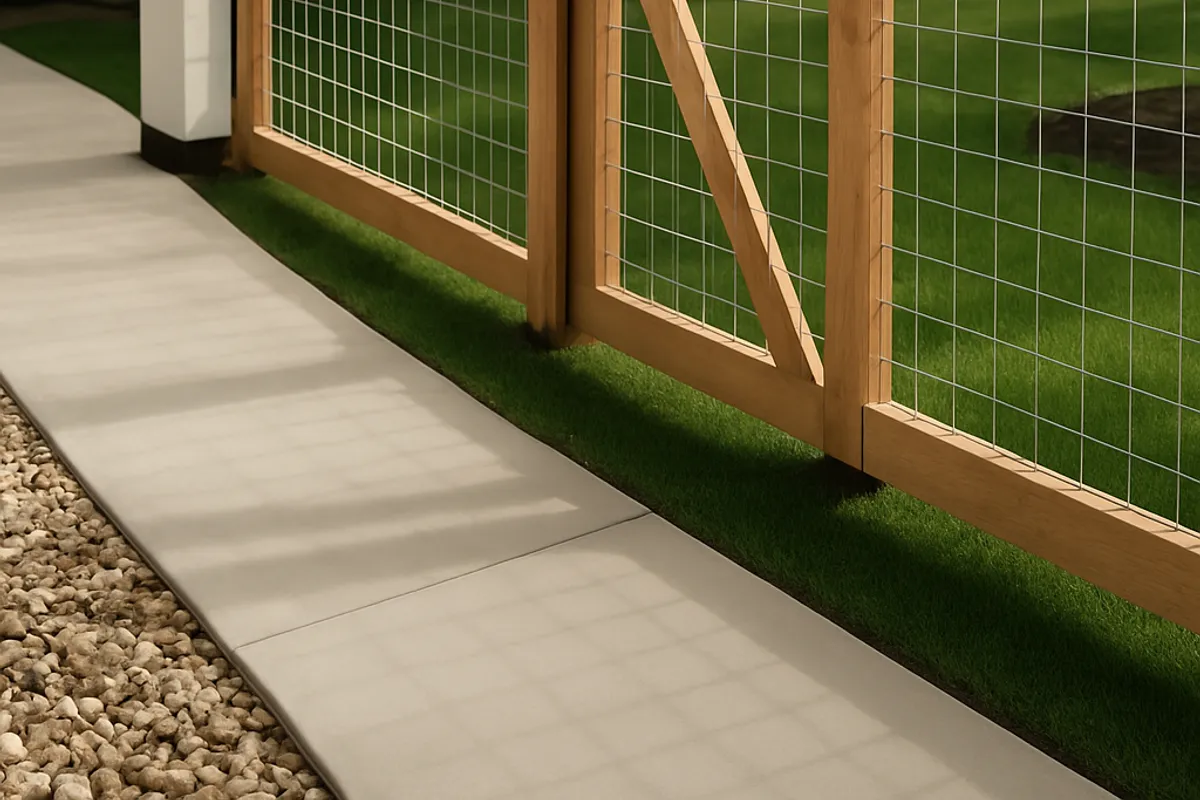
In Austin, TX, a repair that replaces less than a certain percentage of an existing fence typically does not require a permit, but the threshold depends on how the city classifies the work. A full panel replacement along a property line that also involves moving posts can cross into permit territory. Your contractor should know this and tell you upfront, not after the work is done.
Before any post goes into the ground, a utility locate call is required. This is not optional and it is not the homeowner’s job to arrange it. A licensed contractor calls 811, waits for the utilities to be marked, and only then digs. Skipping this step is how crews hit irrigation lines, gas lines, and buried electrical. The wait is usually a few business days, which is one reason a repair that feels urgent still takes time to schedule properly.
The Day of the Work
Crews typically arrive with the materials already loaded. If a contractor needs to make a lumber run on the morning of your job, that is a scheduling problem on their end, not a normal part of the process. Good contractors pull materials the day before and confirm measurements against the estimate before cutting anything.
Post setting is the step most homeowners do not watch closely enough. A post that is not plumb, meaning perfectly vertical, will cause the panels attached to it to rack over time. Concrete cures slowly, and a post that looks right when the crew leaves can shift slightly before it sets if it is not braced properly. Ask your contractor how they handle bracing and how long they recommend before putting any load or pressure on a new post.
Cedar is the most common material for residential fencing in this part of Austin, including in neighborhoods like Georgian Acres and the areas around Bull Creek and Allandale. It handles the heat and the moisture cycles reasonably well, resists rot better than untreated pine, and takes stain evenly if you choose to finish it. For a different look or a longer maintenance cycle, composite fence installation is worth understanding before you commit to cedar, especially on a repair that involves replacing a large section anyway.
The Final Check and What Comes After
A proper closeout includes more than the crew picking up their tools. Walk the repaired section yourself before you sign anything. Check that gates swing freely and latch correctly, that panel heights are consistent, and that there are no gaps at ground level that were not there before. If anything looks off, say so on the spot. It is far easier to address a concern while the crew is still on-site than to schedule a callback.
Fence repair in Georgian Acres often follows a pattern: a driver misjudges the width of a driveway entrance near Burnet Road or Northland Drive, clips a corner post, and suddenly a homeowner is dealing with a leaning section they did not budget for. These impact repairs are usually straightforward structurally, but they do require matching the existing fence style, which takes more material judgment than a simple board swap. Ask your contractor how they handle material matching and whether they carry samples.
If your property has a gate or you are considering adding one during a repair, it is worth reading about automated gate options while you have a contractor already on-site. Combining work saves mobilization costs and avoids digging near newly set posts later.
Austin Fence Pros serves Georgian Acres and the surrounding Austin, TX area and has built its reputation on straightforward assessments, honest estimates, and work that holds up past the first inspection. If you have questions about a fence that needs attention, they are a practical first call. Austin Fence Pros is located at 2005 Justin Ln Ste #101, Austin, TX 78757, and can be reached at (512) 354-7670.
Frequently Asked Questions
What should I expect during the initial assessment with a contractor?
The initial visit is primarily an assessment, not a sales call. The contractor will inspect the fence line, check for rot in the posts, and determine whether the damage is isolated or indicative of a larger issue.
How can I ensure I receive a detailed estimate for my project?
Request a written estimate that itemizes materials and labor separately. This breakdown helps you understand what you are paying for, whether it’s cedar, pine, or composite materials, and whether post concrete is included.
What steps should I take to prepare for the work to begin?
Ensure that a utility locate call is made before any digging starts; this is the contractor’s responsibility. Additionally, be prepared for the crew to arrive with materials already loaded, as any last-minute lumber runs indicate scheduling issues.
What should I check after the work is completed?
Walk the repaired section yourself before signing off on the job. Look for consistent panel heights, check that gates swing freely and latch correctly, and verify there are no new gaps at ground level.
Get Directions to Austin Fence Pros
🎧 Listen to this as a podcast
Also on Apple Podcasts, Spotify, and Amazon Music.
