

Thinking about how to maintain a wood fence? Maintaining a wood fence might seem daunting, but with a few straightforward strategies, you can keep it looking pristine and standing strong. Start with regular fence inspections to catch any signs of wear early. Cleaning the fence with soapy water or a bleach solution helps prevent buildup that can lead to long-term damage. Applying a high-quality wood fence stain or paint every few years will protect against harsh weather conditions. But that’s just the beginning. What about quick repairs for loose boards or tackling rot before it spreads? Explore these essential tips to ensure your fence stays in top shape.
Read next:
Regular Inspections
 Routine inspections are crucial for maintaining a wood fence. You should walk along the fence line every few months, looking for any signs of wear and tear.
Check for loose nails, screws, or boards that need to be tightened or replaced. Pay close attention to the base of the fence posts, as these areas are prone to rot and insect damage.
If you see any issues, address them immediately to prevent further deterioration. Don’t forget to inspect for any signs of warping or splitting wood, which could compromise the fence’s structural integrity.
Find out what’s causing the issue in our next blog: 7 Possible Reasons Why Your Fence Is Leaning (And How to Fix It Now!).
Cleaning the Fence
Keeping your wood fence clean is essential for its longevity and appearance. You’ll need a bucket of warm, soapy water and a soft-bristle brush to start. Gently scrub the surface to remove dirt, mildew, and algae.
For tougher stains, mix a solution of one part bleach to three parts water and use it with a brush. Be sure to wear gloves and protect nearby plants.
After scrubbing, rinse the fence thoroughly with a garden hose, ensuring no soap or bleach residue remains. For an eco-friendly option, use vinegar and water instead of bleach.
Regular fence cleaning, at least once a year, will prevent buildup and keep your fence looking fresh and attractive for years to come.
Applying Sealant
 Applying a fence sealant is crucial to extending the lifespan and maintaining the appearance of your wood fence. Start by choosing a high-quality sealant designed for outdoor use.
Before applying, ensure the wood is clean and dry. Use a paintbrush or sprayer for even coverage, and pay special attention to the edges and joints where moisture can seep in. For the best results, apply the sealant in the direction of the wood grain.
Applying a second coat after the first one dries is essential, typically within 24 hours. Reapply the sealant every 2-3 years to protect your fence from weathering and UV damage.
Regularly sealing your fence will help preserve its strength and beauty.
Repairing Damage
Over time, even the sturdiest wood fences can succumb to the elements, resulting in deterioration that needs prompt attention.
First, inspect your fence regularly for loose or broken boards. If you find any, replace them immediately to maintain structural integrity.
Tighten or replace any loose nails or screws to prevent further damage. For small cracks, use wood filler to seal them before they worsen.
In cases of warping, you might need to replace entire sections to avoid compromising the fence’s stability.
Always use treated wood fences for repairs to ensure longevity.
Regular maintenance and quick repairs can extend your fence’s lifespan and keep it looking great.
Don’t delay; addressing damage is key to a sturdy, attractive fence.
Preventing Rot
 Rot can often be the silent destroyer of wood fences, but it’s preventable with a few proactive steps.
First, ensure your fence has a proper sealant. Apply a high-quality wood preservative that repels water and protects against moisture. Reapply it every couple of years.
Second, make sure your fence posts are made of treated wood and set in concrete to prevent ground moisture from seeping in.
Third, inspect your fence regularly for signs of rot, such as discoloration or soft spots. Address any issues immediately to prevent further spread.
Finally, keep the fence clean by removing debris and allowing airflow.
Managing Vegetation
While preventing rot is vital for the longevity of your wood fence, managing the vegetation around it is equally important. Overgrown plants, shrubs, and vines can trap moisture, accelerating wood decay.
Regularly trim back any greenery to ensure airflow around the fence. This helps keep the wood dry and reduces the risk of rot. Grass should be kept short near the base, and avoid planting any aggressive root systems that might push against the structure.
Mulch and rocks can also retain moisture, so it’s best to leave a gap between them and the fence. Keeping vegetation in check will extend your fence’s life and maintain its appearance.
Protecting Against Pests
A crucial aspect of maintaining your wood fence is protecting it against pests. Termites, carpenter ants, and other insects can wreak havoc on your fence if left unchecked.
Start by regularly inspecting your fence for indications of pest infestation, such as holes, sawdust, or gnaw marks. Keep the area around your fence clean and debris-free, which can attract pests.
Use a pest-resistant wood treatment to create a barrier against insects. Additionally, consider applying a borate-based solution to the wood, which deters termites and other pests.
Trim back any vegetation that touches the fence, as it can provide a pathway for insects. Staying proactive can save you from pricey repairs down the line.
Painting or Staining
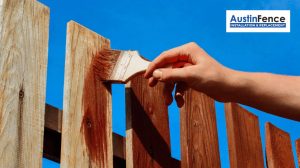 After ensuring your wood fence is protected against pests, the next step is to enhance its longevity and appearance through painting or staining.
Choose between paint, which provides a solid color, and stain, which highlights the natural wood grain. Make sure the wood is clean and dry before applying any finish. Use a high-quality brush or sprayer for even application.
If you paint, select an exterior paint designed for wood surfaces. For stains, decide between oil-based or water-based options.
Stains typically require reapplication more frequently than paint, but they’re easier to touch. Always follow the manufacturer’s instructions for the best results.
Avoiding Water Damage
Water damage is a common enemy of wood fences, but you can keep your fence looking its best with some proactive measures.
First, ensure proper drainage around your fence. Water pooling at the base can seep into the wood, leading to rot. Install gravel or create a slope to direct water away.
Next, apply a water-repellent sealant. This creates a barrier against moisture and extends the wood’s lifespan.
Inspect your fence daily for any signs of mold or mildew, and clean affected areas with water and bleach.
Lastly, trim any nearby vegetation to allow airflow, which helps the wood dry faster after rain.
Seasonal Maintenance
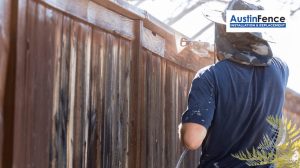 It’s crucial to perform seasonal maintenance to keep your wooden fence in optimal condition year-round.
Inspect the fence in the spring for any winter damage, such as loose nails, rotting wood, or peeling paint. Scrub the fence with a mild detergent and water to remove dirt and mildew.
Summer’s the time to seal or stain your fence to protect it from UV rays.
In the fall, trim back plants and vines that might be growing too close. Clear away any fallen leaves that could trap moisture.
Finally, in winter, check for snow buildup and remove it to prevent moisture damage.
Regular seasonal checks will ensure your fence stays strong and beautiful for years.
Conclusion
These ten pro tips will keep your wood fence looking great and strong for years. Regular inspections, cleaning, and applying sealant are key. Quickly repair any damage and prevent rot by managing vegetation and ensuring proper drainage. Protect against pests, and consider painting or staining for added durability. Remember, proactive seasonal maintenance goes a long way in preserving your fence’s appearance and longevity. Keep up with these steps, and you won’t be disappointed!