
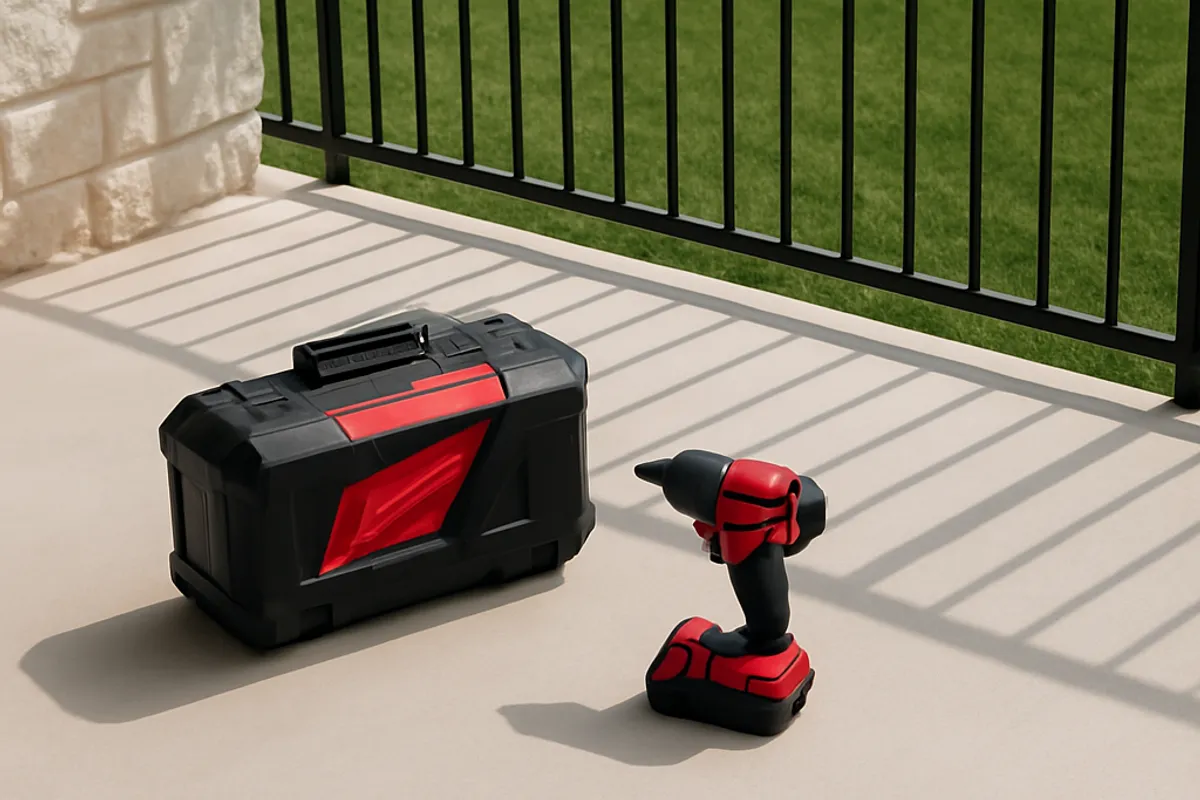
A fence that leans, wobbles, or blows over in a storm almost always traces back to one thing: posts that weren’t set deep enough. It’s the single most common structural mistake in residential fencing, and it’s invisible until something goes wrong. By then, you’re looking at a full reset, not a quick fix.
The general rule is that a post should be buried one-third of its total length. A 6-foot fence post needs at least 2 feet in the ground. A 8-foot post needs closer to 2.5 to 3 feet. Those aren’t suggestions. They’re the minimums for a post to resist lateral load, which is the sideways force wind and soil movement put on a fence every single day.
Why Soil Type Changes Everything
Depth alone doesn’t tell the whole story. Sandy or loose soil grips a post far less than dense clay. Austin, TX sits on expansive clay in most areas, which creates a different problem: the soil swells when wet and shrinks when dry, and that movement works on post bases like a slow lever. Posts set in clay need to go deeper than the one-third rule suggests, and they need to be set in concrete that extends slightly above grade to shed water away from the wood.
Austin Fence Pros consistently recommends a minimum of 24 inches in Austin’s clay-heavy soils, and 30 inches for corner posts or gate posts, which carry significantly more stress than line posts. Corner posts are the anchor of the whole run. Skimping there is where fences fail first.
Rocky caliche layers complicate things further. In some parts of Austin, TX, you hit caliche at 18 inches, and breaking through it requires a hydraulic breaker or a specialized auger bit. Some contractors stop at the rock. That’s a mistake. A post sitting on top of caliche with minimal embedment will shift. The correct move is to drill through it or use a surface-mount bracket rated for the load.
Concrete Mix and Setting Technique Matter More Than Most People Think
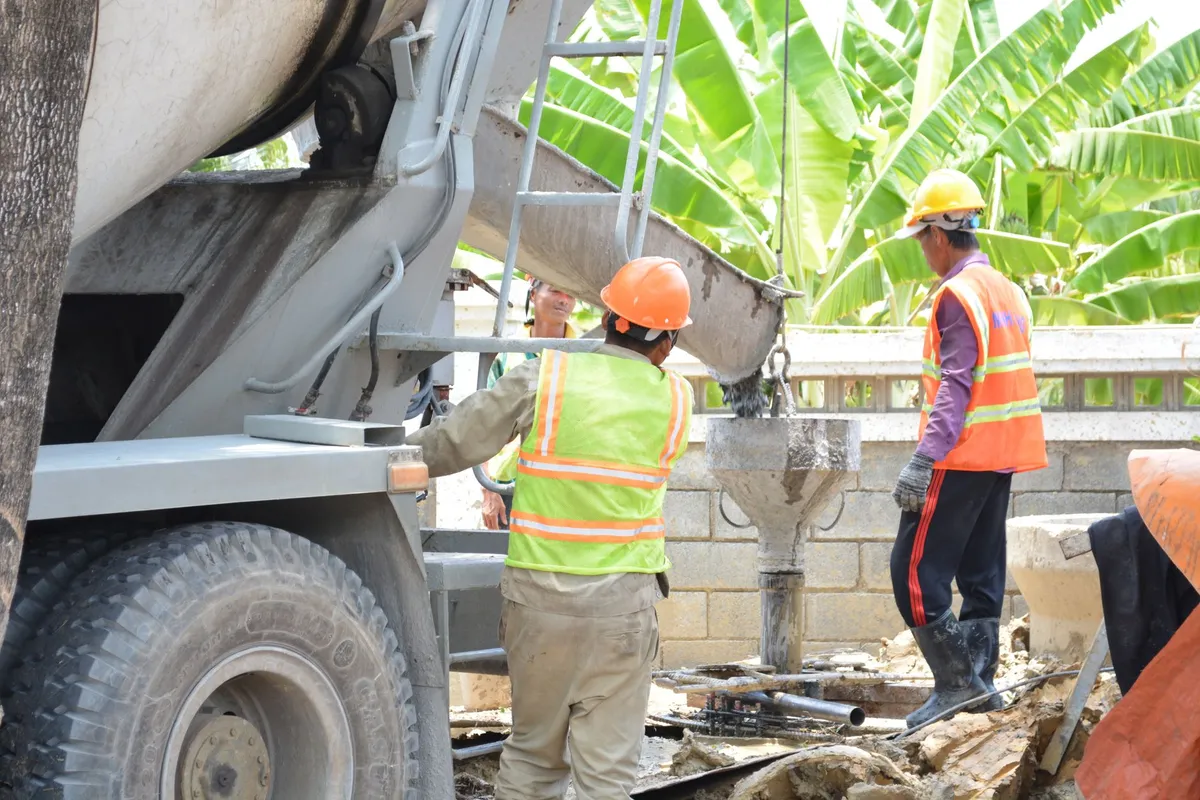
Post depth is only half the equation. The concrete around it has to be done right. Fast-setting concrete like Quikrete 5000 or SAKRETE Fast-Setting works well, but the ratio of water matters. Too much water weakens the mix. The bag instructions exist for a reason.
The post should be plumb before the concrete sets, not adjusted after. Once fast-setting concrete starts to cure, you have maybe 20 to 30 minutes to make corrections. After that, you’re fighting the material. Austin Fence Pros uses a level on two adjacent faces of each post and holds it in place with temporary bracing until the pour is firm. That’s not extra work. That’s standard practice.
One detail many DIYers miss: the concrete should crown slightly above grade, sloping away from the post. A flat or recessed concrete collar pools water against the wood, which accelerates rot at the most structurally critical point of the post. Cedar and pressure-treated pine both resist moisture, but neither is immune to standing water at the base.
Signs a Post Was Not Set Deep Enough
You don’t always need to dig to diagnose a shallow post. Push the top of the post firmly with your hand. A properly set post in concrete should feel essentially immovable. Any perceptible rocking, even a quarter inch of movement, means the post base is compromised. That’s either insufficient depth, failed concrete, or soil that has washed out around the base.
Lean is another indicator, but lean alone can be deceptive. A post can lean because the fence panels are pulling it, not because the post itself is shallow. Check the post independent of the fence by pushing it in the direction opposite the lean. If it moves freely, the base isn’t holding. If it resists, the issue is panel tension or a structural problem elsewhere in the run.
In older neighborhoods like Hyde Park, where wood fences have often been repaired and patched over decades, you’ll sometimes find posts that were sistered onto rotted originals without being properly set. The fence looks fine until the first real wind event.
For anyone considering a cedar fence installationpost depth is especially worth discussing upfront. Cedar rails and pickets are lighter than pine, which reduces some lateral load, but the posts still need to be set to the same depth standards. The wood choice doesn’t change the physics of the ground.
When to Pull and Reset Versus Reinforce
If a post has less than 18 inches of embedment in Austin’s soil conditions, it should be pulled and reset. Full stop. Trying to stabilize a shallow post by pouring concrete around the exposed base, sometimes called a “collar pour,” doesn’t solve the problem. It adds weight at grade level, which can actually increase the lever effect on a shallow post.
A post with adequate depth but cracked or deteriorated concrete is a different situation. In that case, excavating around the base, removing the old concrete, and re-pouring is a legitimate repair. The post itself may be structurally sound. This is a judgment call that depends on how much of the original concrete is intact and whether the post has any rot at the base.
For gate posts specifically, Austin Fence Pros treats every gate post like a corner post regardless of fence height. Gates create constant dynamic load through opening and closing cycles. A standard line-post installation won’t hold a heavy gate long-term, particularly for automated gate installation where motorized operation adds mechanical stress on every cycle.
Austin Fence Pros is a trusted fence contractor serving Austin, TX and the surrounding area. For questions about post depth, material selection, or anything related to fence installation, the team can be reached at 2005 Justin Ln Ste #101, Austin, TX 78757, or by phone at (512) 354-7670.
Frequently Asked Questions
What factors influence the cost of my fence installation?
Several factors can affect your fence installation costs, including the type of material you choose, the length of the fence, the complexity of the installation, and any necessary permits or land clearing. Additionally, labor costs can vary based on your location and the contractor’s experience.
How can I prepare for my fence installation?
To prepare for your fence installation, you should first determine your property lines and check for any local regulations or HOA guidelines. It’s also helpful to clear the area where the fence will be installed of any obstacles, such as plants or debris, to ensure a smooth installation process.
What should I watch out for when hiring a fence contractor?
When hiring a fence contractor, watch out for any additional costs that may arise during the installation, such as unexpected site conditions or permit fees. Make sure to get a detailed estimate and clarify what is included in the price to avoid surprises later on.
What are some common mistakes people make during fence installation?
Common mistakes during fence installation include not checking local regulations, neglecting to mark property lines, and failing to consider the type of soil or terrain where the fence will be installed. These oversights can lead to added costs and complications down the line.
Get Directions to Austin Fence Pros
🎧 Listen to this as a podcast
Also on Apple Podcasts, Spotify, and Amazon Music.
