
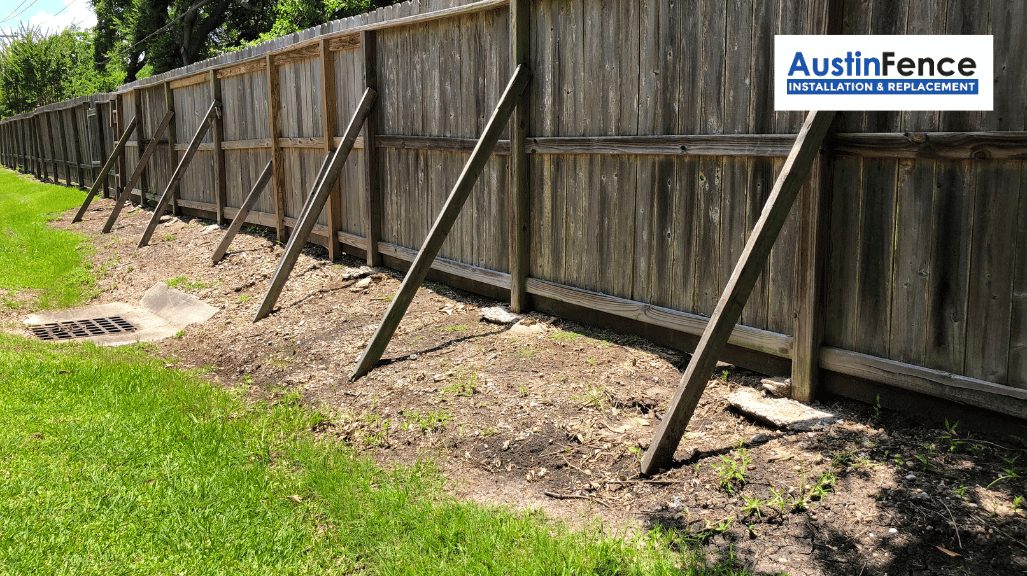
How Invisible Pet Fences Work
Invisible pet fences utilize an underground wire or a wireless signal to define a boundary. Pets wear a special collar that delivers a warning beep or mild static correction when they approach the boundary.
These systems rely heavily on consistent training to be effective. Without training, pets may ignore or become fearful of the fence.
How Physical Fences Work
Physical fences create a visible, tangible barrier around your property. Common types include wood privacy fences , chain link , vinyl , and ornamental iron .
Physical fences don’t require training—they keep pets in by creating a secure structure while also keeping wildlife, strays, and intruders out.
Pros and Cons of Invisible Fences
Pros:
- Lower upfront cost compared to physical fences.
- Preserve yard views and neighborhood aesthetics.
- Easy to install in yards with unique shapes or slopes.
Cons:
- Do not keep other animals or people out.
- Pets may ignore the signal if highly motivated (e.g., chasing a squirrel).
- Static corrections may cause fear or anxiety in some pets.
- No added privacy, shade, or noise reduction.
Pros and Cons of Physical Fences
 Pros:
Pros:
- Provide a reliable barrier for pets.
- Protect against outside threats like stray animals.
- Offer privacy, noise reduction, and added curb appeal.
- Long lifespan with the right material choice.
- Increase property value.
Cons:
- Higher upfront cost.
- Requires space and adherence to Austin fence regulations.
- Maintenance needs vary by material (wood requires staining, iron needs rust protection).
Cost Comparison in Austin
- Invisible Fence Systems: $1,000–$2,000 depending on yard size and training costs.
- Physical Fences:
- Chain link: $10–$20 per linear foot.
- Wood privacy: $15–$30 per linear foot.
- Vinyl: $25–$40 per linear foot.
- Iron: $30–$60 per linear foot.
While invisible fences are cheaper upfront, physical fences often provide better long-term value through durability, property enhancement, and added functions (shade, noise reduction).
Climate and Neighborhood Considerations
- Austin’s Climate: Intense sun and clay soil can stress physical fences but have little impact on invisible systems. However, physical fences also protect pets from environmental exposure.
- HOA & Aesthetics: Some Austin HOAs may not allow visible fences in front yards, making invisible fences attractive—but backyard physical fences are generally preferred.
- Wildlife & Safety: Coyotes, snakes, and stray dogs are common in parts of Austin. Invisible fences cannot keep them out, while physical fences provide protection.
Which Fence Option Works Best for Pets?
Invisible fences may suit homeowners with:

- Large, open properties without close neighbors.
- Pets that are well-trained and not prone to chasing.
- HOA restrictions that prevent physical fences.
Physical fences are best for most Austin homes because they:
- Offer reliable containment without training.
- Protect pets from outside threats.
- Provide privacy, security, and property value.
For households in busy neighborhoods or with energetic pets, a physical fence is the safer, more practical choice.
FAQs: Invisible vs. Physical Fences in Austin
Making the Best Choice for Your Pets
 Both invisible and physical fences aim to keep pets safe, but the level of protection differs. Invisible fences are cheaper and less intrusive but offer limited security. Physical fences require more investment but deliver reliable safety, privacy, and peace of mind.
For Austin homeowners seeking lasting value and maximum protection, physical fences are the clear choice.
When you’re ready to install a pet-friendly fence that suits your home and your pets, trust Austin Fence Pros – Installation & Replacement for expert installation and tailored solutions.