

Loose Boards and Missing Slats
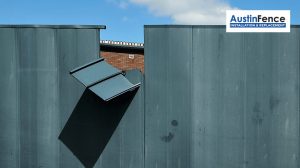
The Problem: Dogs and cats can slip through or injure themselves on sharp edges when boards or slats are loose or missing.

The Fix:
- Replace damaged boards promptly.
- Use stronger nails or screws to secure loose parts.
- Upgrade to thicker boards for durability.
Discover how to repair wood fences in Austin.
Weak or Leaning Fence Posts
The Problem: Posts weakened by rot, shifting soil, or storm damage make fences unstable. Pets may push against them and escape.
The Fix:
- Reinforce leaning posts with concrete footers.
- Replace severely damaged posts.
- For Austin’s clay soil, deeper installations prevent shifting.
Broken Gates and Latches
The Problem: Faulty gates are the most common escape point for pets. A loose latch or bent hinge can open easily.
The Fix:
- Replace old latches with self-closing, pet-safe locks.
- Install double gates to create a “buffer zone.”
- Check hinges for wear and replace as needed.
See fence gate installation in Austin for secure options.
Digging Damage at the Base
The Problem: Many dogs dig under fences, loosening posts or creating holes big enough to escape.
The Fix:
- Add buried mesh or chicken wire at least 1–2 feet underground.
- Pour concrete or gravel along the fence line.
- Install landscaping barriers (shrubs, rocks, or raised beds).
Rot, Rust, and Weather Damage
The Problem: Austin’s intense sun, heavy rains, and humidity take a toll on fences. Wood rots, iron rusts, and chain link weakens over time.

The Fix:
- Re-stain wood fences every 2–3 years.
- Apply rust-resistant coatings to iron and chain link.
- Replace compromised sections quickly to prevent collapse.
See how the weather impacts fences in Austin.
Poor Visibility and Overstimulation
The Problem: Dogs bark or attempt escape when overstimulated by outside distractions (neighbors, wildlife, cars).
The Fix:
- Install solid wood or vinyl fencing for privacy.
- Add privacy slats to chain link fences.
- Incorporate landscaping to block views and calm pets.
Weather-Triggered Emergencies in Austin
Austin’s climate often turns minor fence problems into emergencies:
- High Winds: Knock down panels or posts, leaving significant gaps.
- Heavy Rains & Flooding: Soften soil, causing posts to lean or collapse.
- Extreme Heat: Warps wood, making it easier for pets to push through weak boards.
- Storm Debris: Falling branches break boards or bend chain link sections.
The Fix: After any significant weather event, inspect your fence. Reinforce vulnerable areas immediately and schedule professional fence inspections if you notice leaning or instability.
Preventative Maintenance for Pet-Safe Fences
Emergency fixes can be avoided with proactive care:
- Inspect your fence every season.
- Address small cracks, loose posts, or rust early.
- Schedule professional inspections for older fences.
- Budget for long-term upkeep—fence replacement may be better than frequent repairs.
When to Call a Professional vs. DIY Fixes
Not all fence issues need immediate professional help, but some do:
DIY-Friendly Fixes:
- Reattaching a loose board.
- Reinforcing a weak latch temporarily.
- Filling small digging holes with gravel or soil.
Call a Professional If:
- Posts are leaning or collapsing.
- Storms damage large sections.
- Your pet repeatedly escapes despite quick fixes.
- Rust or rot affects structural integrity.
Professional repair ensures long-term safety and often saves money compared to repeated temporary patches.
FAQs: Fence Problems and Pet Safety
Keep Pets Safe with a Secure Fence

Even minor fence problems can put pets at risk. From digging holes to broken gates, these issues require fast fixes and preventative care.
By staying proactive with repairs and maintenance, Austin homeowners can ensure their fences remain secure and their pets stay safe where they belong.
For expert help, trust Austin Fence Pros – Installation & Replacement to repair or replace your fence with pet safety in mind.