

TL;DR
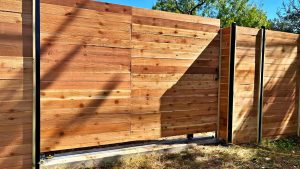
Most Round Rock HOA fence rules require an Architectural Review Committee (ARC) submission before construction starts. Standard residential backyard fences in Round Rock generally do not require a city permit. Still, certain projects (tall fences, front-yard fences, corner lots, pool enclosures, drainage easements) may trigger additional city review. ARC review typically takes 30 to 45 days. Most rejections come from incomplete submissions, missing neighbor signatures, or fence designs that don’t match neighborhood standards. The post below walks through what Round Rock HOAs actually want to see, when city review may apply, which neighborhoods have the strictest rules, and the specific reasons fences get rejected in Round Rock.
If you live in Round Rock and you’re planning a fence installation, you’ve probably already discovered the catch: HOA approval is a serious gate, and certain projects may also need city review on top of that. Get the wrong combination, and your project can stall, incur fines, or even require modification. Round Rock HOA fence rules tend to be stricter than what you’d find in Austin proper, partly because most Round Rock subdivisions are newer with active Architectural Review Committees, and partly because the city itself has its own building inspection processes separate from Austin’s. This post covers what’s specifically different about getting a fence approved in Round Rock, neighborhood-by-neighborhood considerations, and the common pitfalls that delay or block installations.
For general HOA fence rules that apply across the Austin metro (materials, heights, approval process basics), see our guide to HOA fence rules in Austin. This post focuses entirely on what’s different in Round Rock.
Why Round Rock is different from Austin proper
Three things make Round Rock fence projects feel more rule-heavy than fence projects in central Austin:
- HOA density. Most subdivisions built in the last 25 years in Round Rock have active HOAs with detailed architectural standards. Older parts of central Austin often don’t.
- Newer ARCs run by the book. Round Rock Architectural Review Committees tend to follow written guidelines strictly. Submissions that worked in older Austin neighborhoods through informal approval may not work in Round Rock without proper paperwork.
- Possible two-layer approval. HOA approval is almost always required for fence projects in Round Rock subdivisions. Depending on the fence type, location, and design, the city may also require review or a permit. The two processes are separate when both apply, and homeowners should verify city requirements directly with Round Rock’s Building Inspection Division.
The two approval tracks: HOA review and possible city compliance requirements
Track 1: HOA Architectural Review Committee (ARC)
Almost every fenced property in Round Rock is governed by an HOA with an ARC or a similar architectural body. Submission requirements commonly include:
- A completed ARC application form specific to your HOA.
- A property survey showing the proposed fence location, with measurements to property lines, easements, and existing structures.
- A fence elevation drawing showing height, board orientation, post style, and gate placement.
- Material specifications (wood species, post type, stain or color, hardware finish).
- Neighbor acknowledgment forms for shared fence lines in many subdivisions.
- Photos of the existing yard or fence, if applicable.
ARC review timelines vary depending on the subdivision and season:
- Standard ARC reviews: typically 21 to 30 days.
- Larger or stricter HOAs (such as Behrens Ranch, Teravista, or Forest Creek): often 30 to 45 days.
- Summer months may add additional delays due to lighter HOA meeting schedules.
Track 2: City compliance and permit considerations
Most standard residential backyard fences in Round Rock do not require a building permit. However, certain projects may still require city review, additional approvals, or compliance checks depending on the fence location and design.
Situations that commonly trigger additional scrutiny include:
- Fences exceeding standard height limits.
- Front-yard fences.
- Corner-lot installations affecting visibility or sightlines.
- Fences near drainage or utility easements.
- Pool enclosure fencing.
- Masonry or retaining wall combinations.
Because requirements can vary by property and project scope, homeowners should verify current rules directly with the City of Round Rock Building Inspection Division before construction begins. For broader context on Austin-area fence approval considerations, see our guide to fence installation permits in Austin TX.
Round Rock neighborhoods with the strictest fence rules
Not every Round Rock subdivision treats fence approval the same way. A few neighborhoods are known for tighter standards, longer review times, or more frequent rejections:
Behrens Ranch
Large master-planned community with detailed architectural standards. Requires specific cedar species, restricts stain colors to a pre-approved palette, and tends to scrutinize fence height variances closely. Plan on 4 to 6 weeks for ARC review.
Teravista
Active ARC with consistent enforcement. Common rejections involve corner-lot sightlines and front-yard height limits. Some subdivisions require both neighbors’ signatures on shared fence lines, and Teravista is one of them.
Forest Creek
Established neighborhood with mature trees and lot variability. Survey requirements are stricter here because property lines often run through landscaping. ARC reviews can take longer in summer.
Mayfield Ranch
Tends to enforce material consistency strictly. Substituting board types or post designs from what the original builder used often triggers rejection without preapproval.
Vista Oaks and Sonoma
Generally moderate enforcement, but both communities have detailed setback rules that catch homeowners off guard, especially on lots with drainage easements.
If your neighborhood isn’t listed here, the local rules can still be strict. Always pull your HOA’s current architectural guidelines (usually on the HOA’s resident portal) and read them before submitting. Outdated guidelines from forums or neighbor advice can lead you wrong.
Common reasons Round Rock ARC submissions get rejected
Most rejections aren’t about controversial design choices. They come from process mistakes that are easy to fix once you know about them.
1. Incomplete submission packet
Missing the property survey is the single most common cause of delay. Many ARCs will table the submission until the survey arrives, which can add 2 to 4 weeks. If you don’t have a current survey, order one before you submit. Round Rock surveys typically run $400 to $700 and take 5 to 10 business days.
2. No neighbor signatures on shared fence lines
Many Round Rock HOAs require adjacent property owners to sign off on shared fence projects. Skip this step, and the submission goes back. Talk to neighbors before submitting, get their written acknowledgment, and include the signed form with your packet.
3. Height exceeds neighborhood standard
It’s common for Round Rock HOAs to limit residential fences to 6 feet in backyards and 4 feet in front yards. Submitting an 8-foot fence without a variance request often triggers automatic rejection. If you want a taller fence (for sound, privacy, or pet containment), file a variance application alongside the standard submission and expect a longer review.
4. Materials don’t match the neighborhood standard
Many subdivisions in Round Rock require cedar specifically (not pine, not composite, not vinyl). Some restrict gate styles, hardware finishes, or post caps to a specific list. Submitting non-conforming materials gets the application rejected. Check the approved materials list before deciding what to install.
5. Stain color outside the approved palette
Many Round Rock HOAs maintain pre-approved stain color lists. Custom colors, including popular options like gray wash or weathered tones, may not be allowed without preapproval. See our guide to fence stain colors for Austin homes for color context, but verify against your HOA’s specific list before choosing.
6. Corner lot sightline violations
Round Rock has city-level rules about fence height near intersections to preserve driver sightlines. Most HOAs enforce the same or stricter rules on corner lots. A fence that wraps the corner at full height (rather than stepping down) is a common rejection trigger.
7. Drainage or utility easement encroachment
Many Round Rock lots have drainage or utility easements that limit where you can install posts. A fence placed in an easement may require removal at the homeowner’s cost if utility work needs to happen later. Check your survey carefully for easement markings.
Realistic timeline for Round Rock fence approval
From the day you decide to install a fence to the day construction starts, expect 4 to 8 weeks for most Round Rock projects, with a longer timeline if city review or permitting applies. Here’s how that breaks down:
Step | Typical duration | What happens |
Survey (if needed) | 5 to 10 business days | Order a current property survey if you don’t have one from the past 2 to 3 years. |
HOA ARC submission prep | 3 to 5 days | Complete the ARC form, get neighbor signatures, and prepare drawings. |
ARC review | 21 to 45 days | The HOA architectural committee reviews and approves or requests changes. |
City review or permit (if applicable) | Variable | If a project requires city review or permitting, timelines can vary depending on workload, project complexity, and the type of fence being installed. Verify with Round Rock’s Building Inspection Division. |
Contractor scheduling | Varies | Most fence contractors have a 2 to 4 week scheduling backlog in peak seasons (spring and fall). |
Two practical implications: don’t promise yourself a fence by a specific date until ARC approval is in hand, and many homeowners choose to complete HOA approval first before addressing any city-related review requirements. Doing so helps avoid redesigns, compliance conflicts, or delays later in the process.
What to do if your fence submission gets rejected
A rejection isn’t the end. It usually means one specific item needs to be fixed and resubmitted. Common next steps:
- Read the rejection letter carefully. Most ARCs explain exactly what failed.
- Fix the specific issue (add the missing signature, adjust the height, change the material, supply the survey).
- Resubmit with a brief cover letter pointing to the change.
- Most resubmissions process faster than the original review (2 to 3 weeks vs the original 4 to 6).
If you believe the rejection was unfair or the rule is being applied inconsistently, most HOAs have an appeals process. Appeals rarely succeed without a strong written justification and evidence of prior approvals for similar designs in the neighborhood. Going to legal escalation is almost always more expensive than just adjusting the design.
Working with a fence contractor who knows Round Rock

Not every fence contractor is familiar with the specific Round Rock HOA landscape. Worth asking before hiring:
- How many projects have you completed in my specific subdivision?
- Will you help prepare my ARC submission, or am I on my own?
- Do you know which materials and stain colors my HOA has historically approved?
- Can you start work after HOA approval comes through, or do you need additional lead time?
- Will you obtain the Round Rock city permit, or is that on me?
Contractors familiar with Round Rock often handle both HOA submissions and city permits as part of the project, which removes a lot of homeowner friction. Confirm this in writing before signing. For broader contractor selection guidance, see our post on hiring a local Austin fence contractor and how to choose the right fence company.