
Why Fixing a Broken Fence Post Quickly Matters
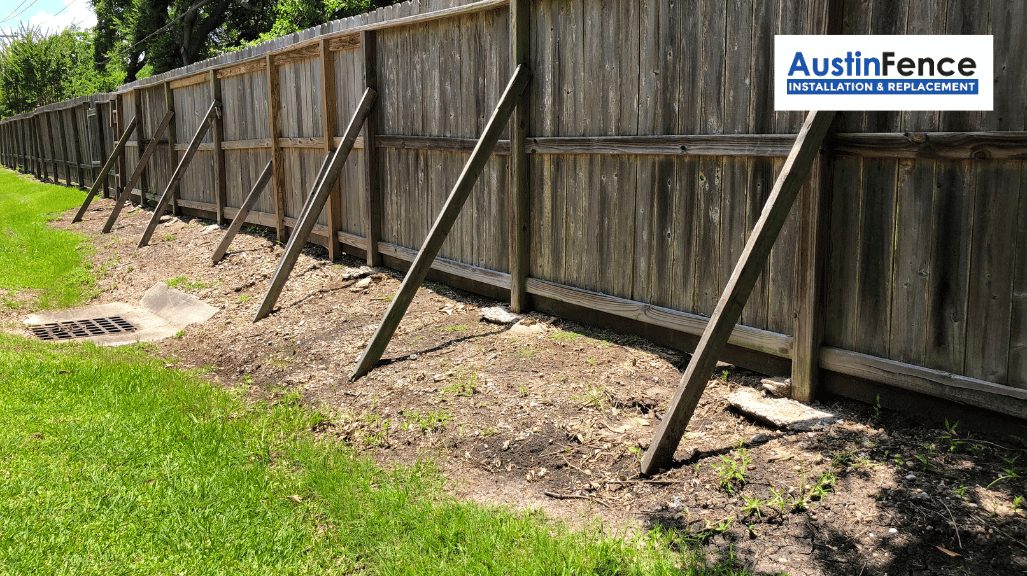
In Austin, delaying repairs to a broken fence post can lead to sagging panels, misaligned gates, and even complete fence replacement sooner than necessary. A damaged post puts stress on adjacent sections, which can quickly spread the problem. Timely repairs not only save money but also maintain your property’s security, privacy, and curb appeal.
Common Causes of Broken Fence Posts in Austin

Austin’s combination of expansive clay soil, unpredictable weather, and intense summer heat means fence posts face unique challenges:
- Soil movement from seasonal wet/dry cycles causes leaning or cracking.
- Heavy storms and wind gusts loosen improperly set posts.
- Wood rot from trapped moisture weakens wooden fence repair areas.
- Insect damage, especially from termites, compromises the integrity of wood.
- Rust corrosion in chain link fence repair or metal post systems.
Tools & Materials You’ll Need
Before starting, gather:
- Post hole digger or auger
- Shovel
- Level
- Measuring tape
- Gravel
- Concrete mix
- New post (pressure-treated wood or galvanized steel)
- Screws, nails, or brackets for reattachment
- Safety gloves and eye protection
Step-by-Step Guide to Fixing a Broken Fence Post
Step 1: Assess the Damage
Determine if the post is entirely broken, rotted at the base, or simply leaning. If multiple posts are compromised, you may need fence fixing services or a full residential fence repair rather than a single-post fix.
Step 2: Remove the Damaged Post
- Detach any panels or rails connected to the post.
- Dig around the base to expose the footing.
- If set in concrete, break it apart with a digging bar or sledgehammer.
- Remove all debris and old hardware.
Step 3: Prepare the Post Hole
- Dig a hole at least 24–36 inches deep or one-third of the post’s height.
- Add 4–6 inches of gravel at the bottom for drainage—critical in Austin’s moisture-retentive clay.
- Check for straightness with a level before proceeding.
Step 4: Install the New Post
- Place the post in the hole and align it vertically.
- For added durability, consider a hybrid installation: use gravel at the base for drainage and top it with concrete for stability.
- Slope the concrete slightly away from the post to prevent water pooling.
- Allow the concrete to cure for 24–48 hours before reattaching the panels.
Step 5: Secure and Reattach Fence Sections
- Reconnect rails or panels, ensuring even spacing.
- Check for gate alignment if applicable.
- Tighten all hardware to avoid future shifting.
Austin Climate Considerations for Fence Posts
In Austin, pressure-treated wood and galvanized steel posts are the most effective in resisting rot, rust, and soil movement. Always account for:
- Seasonal expansion and contraction of soil
- UV damage from prolonged sun exposure
- Water drainage to reduce rot and corrosion risks
For vinyl fence repair, damaged posts usually require full replacement rather than patching, and panels must be adequately supported to avoid sagging in the heat.
How to Prevent Future Fence Post Damage

- Inspect your fence twice a year, ideally in spring and fall.
- Trim vegetation to allow airflow and reduce moisture retention.
- Keep soil and mulch away from direct contact with posts.
- Apply sealants to wood posts and rust-protective coatings to metal.
- Address leaning posts immediately to avoid chain-reaction damage.
When a Broken Fence Post Signals Bigger Structural Issues
Sometimes, a broken fence post isn’t just an isolated problem—it’s a warning sign of deeper structural concerns.
You may need to consider full or partial fence replacement when:
- Multiple posts are leaning or rotted — indicating widespread deterioration.
- Fence rails and panels are warped or pulling apart — repairs won’t hold without addressing the underlying foundation issues.
- The fence line is uneven — often caused by shifting soil along the entire boundary.
- The hardware is rusted throughout — a common occurrence in neglected chain-link fence repair cases.
In such situations, replacing one post may only offer a temporary fix. A professional inspection can determine whether fence replacement is a smarter long-term investment, saving you from repeated repairs and mounting costs.
Frequently Asked Questions About Fixing a Broken Fence Post
 Reinforcing Your Fence for the Long Term
Fixing a broken post promptly is one of the best ways to delay fence replacement and maintain your property’s security. For Austin’s climate, a combination of proper materials, skilled installation, and ongoing maintenance makes the most significant difference. Whether you need wooden fence repair, chain link fence repair, or a complete residential fence repair, working with Austin Fence Pros – Installation & Replacement ensures the job is done right the first time.