

Why Soil Type Matters for Fence Installation
The soil beneath your yard isn’t just dirt—it’s the foundation for your fence. Each soil type has unique properties that affect fence post stability, material longevity, and maintenance requirements.
Improper handling of soil conditions can lead to leaning fences, premature wear, or even full replacements—costly problems that could have been avoided with the right installation approach.
Common Soil Types in Austin and Their Challenges
Clay Soil

Clay-heavy areas in Austin, such as parts of East Austin, pose one major challenge: expansion and contraction.
- In dry weather, clay shrinks, causing posts to shift.
- In wet seasons, it swells, creating pressure that can loosen posts.
Solution: Deeper post holes and the use of concrete footings minimize movement and keep your fence stable.
Rocky Soil
If you live in West Austin or Hill Country areas, you’re likely dealing with rocky soil. While rocky ground offers excellent drainage, it makes digging post holes more labor-intensive.
Solution: Professional-grade augers or even jackhammers may be needed to set posts securely. For this reason, working with a professional fence installer can save you time and frustration.
Sandy Soil
Although less common in Austin, sandy soil requires additional reinforcement:
- Posts may shift easily without proper anchoring.
- Wider and deeper post holes combined with gravel backfill improve stability.
This type of soil is often found closer to riverbanks or areas with mixed terrain.
How Soil Type Influences Fence Post Installation
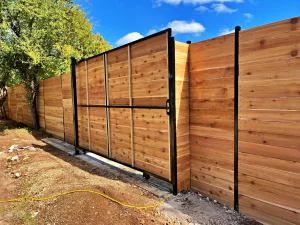
Fence post installation isn’t one-size-fits-all. For example:
- Clay soil: Requires concrete-set posts for extra holding power.
- Rocky soil: May call for custom drilling and specialized anchors.
- Sandy soil: Needs wider footings and compaction techniques.
Proper post installation is one of the biggest factors in preventing leaning fences and costly repairs down the road.
Best Materials for Different Soil Types
Your soil type also determines the best fencing material:
- Clay soil: Steel or treated wood posts prevent moisture damage.
- Rocky soil: Wood and composite fencing perform well because of solid anchoring.
- Sandy soil: Vinyl or chain link with reinforced posts offers flexibility and durability.
If you’re unsure which material suits your property, our fence installation experts in Austin can evaluate your yard and recommend the best solution.
How to Adjust Fence Installation for Challenging Soil Conditions
Even if your property has difficult soil, there are proven methods to ensure a durable fence:
1. Use Deeper Post Holes
In clay or sandy soil, digging at least one-third of the post’s length below ground helps counter shifting and leaning. For rocky soil, angled drilling may be required to achieve the same level of support.
2. Add Reinforcement Layers
Using gravel or crushed stone at the base of the hole improves drainage and prevents soil expansion from pushing against posts.
3. Consider Metal Post Sleeves
These sleeves provide extra stability and protect wood posts from direct soil contact, reducing the risk of rot in moisture-heavy soil.
4. Install in Optimal Weather Conditions
Scheduling your project during the best weather can minimize soil-related risks and help ensure a smoother installation process.
By applying these techniques, you can minimize soil-related risks and ensure that your fence remains upright and secure for years.
Expert Tips for Successful Fence Installation
- Get a soil analysis: Know what you’re working with.
- Use gravel for drainage: Especially important in clay-heavy yards.
- Reinforce posts: Consider metal post sleeves or concrete reinforcements.
- Plan for weather: Install during moderate conditions for better results.
You can also check our blog on 5 Mistakes to Avoid When Installing a Fence in Austin for additional insights.
When to Call the Pros

Even experienced DIYers can struggle with Austin’s variable soil conditions. Professional installers have the tools and expertise to:
- Drill through rock.
- Stabilize posts in shifting clay.
- Optimize your fence for local conditions.
When you’re ready, request a fence installation estimate to get started.